Rubin Mandija
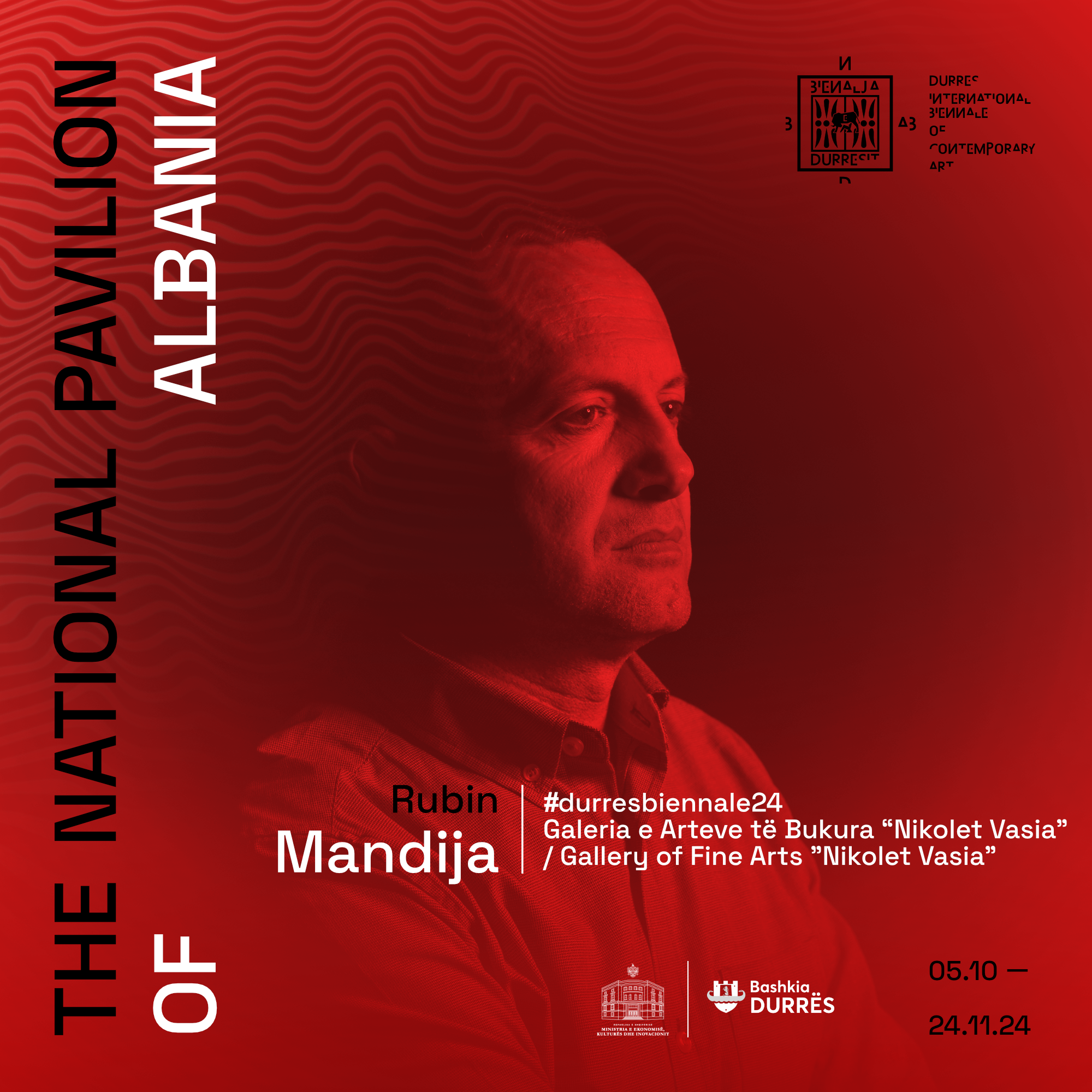
Rubin MANDIJA was born in 1977 in Shkodër. He is a sculptor of the language of contemporary art. In 2000, he graduated in sculpture at the Academy of Fine Arts in Tirana. In 2018, he defended the title of Doctor of Sciences at the Academy of Albanian Studies in Tirana. From 2002 to 2012, he was a teacher at Prenkë Jakova artistic high school in Shkodër. He is currently a lecturer and Head of the Art Department at Luigj Gurakuqi University of Shkodra. He is a participant in a series of joint exhibitions at the local, national and international level, where it is worth highlighting: Onufri International Visual Art Competition (2001); Changchun Sculpture Symposium, China (2003); Artistic residency at the Internationale Sommerakademie in Salzburg, Austria (2005); Tirana Biennale (2005); E-volution, Shkodër Art Gallery (2007); Sculpture Symposium in Brescia, Italy (2007); International Sculpture Symposium in Danilovgrad, Montenegro (2013); Osten Drawing Biennale in Skopje, Macedonia (2014); Utazu City Art Prize, Japan (2014); Osten Drawing Biennale, Skopje, Macedonia (2016); Utazu City Art Prize, Japan (2018) and Autumn Salon, Art Gallery, Shkodër (2022). He currently lives and works in Shkodër.
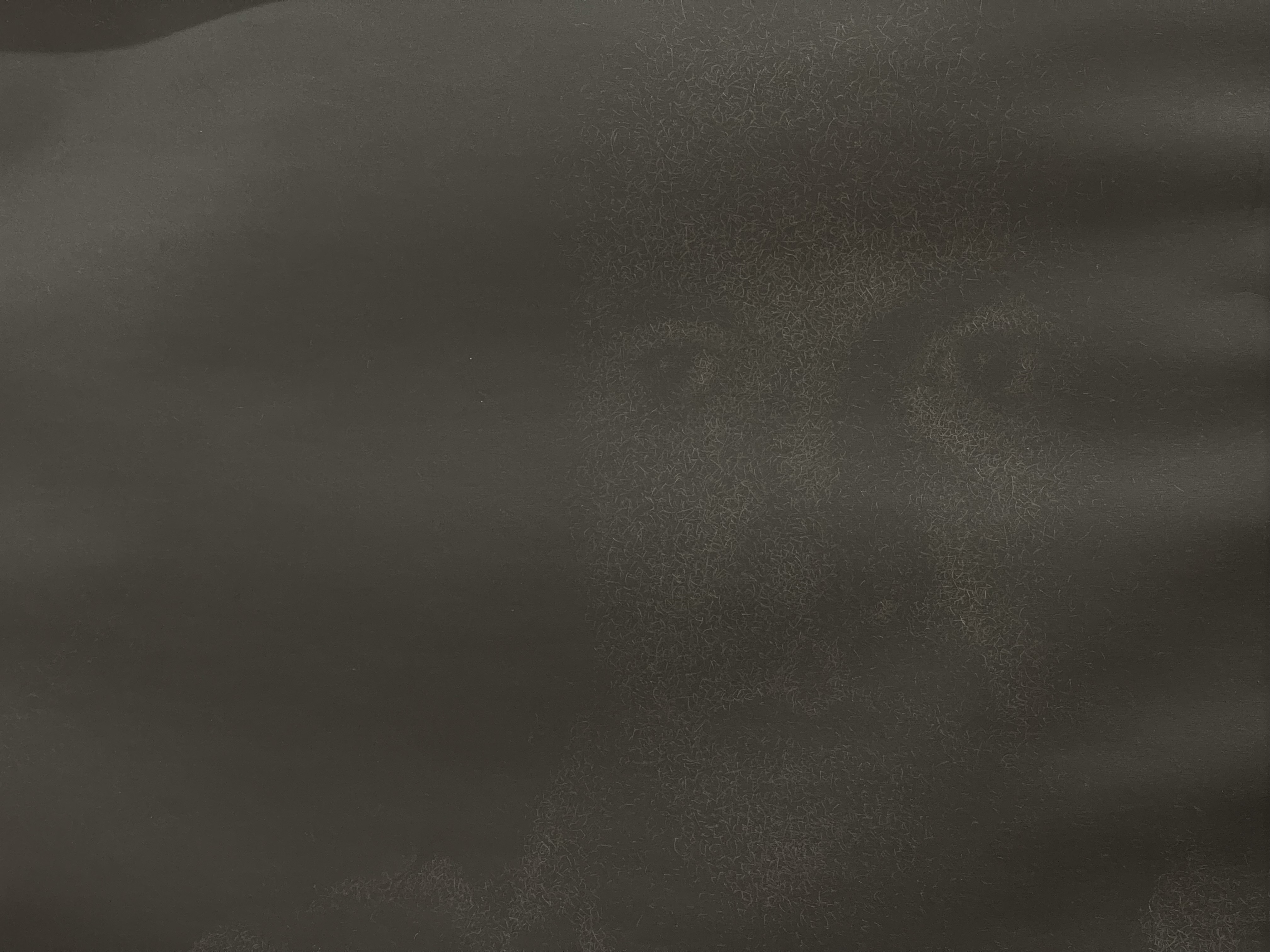
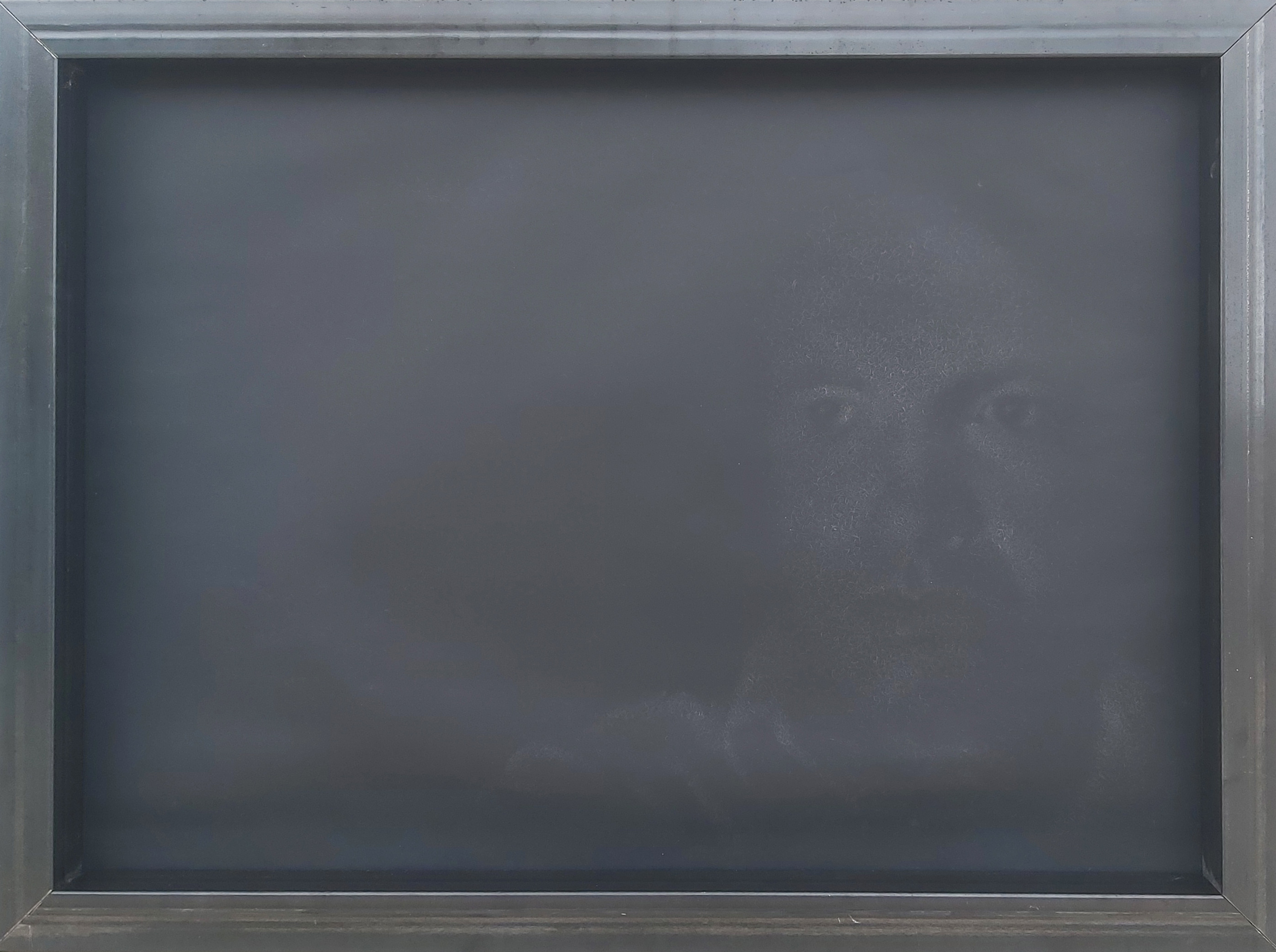
Black on black (self portrait)Drawing on paper, 74 x 98 cm, 2023
The conceptual approach:
Drawing is one of the most important and oldest genres of arts. Pencils and other tools such as carbon (coal), or pens and various paints, have been used over the centuries to create drawings. Traditionally these tools have been used in function of tones in drawing. I mean the shadows are drawn, while the illuminated areas are realized by themselves, revealing the relative whiteness of the background. The use of tinted papers in the Renaissance period was accompanied by the use of white ink to highlight the more prominently lit areas in drawings. A relatively recent trend is the realization of drawings with white pencil on black paper. In this case, it is not the "shadows", but the "lights" that are drawn with the white pencil, leaving the realism of the tones to those uncovered parts of the black paper. The drawings of the Black on black series are made with black pencil on black paper. The image is made visible by the light-reflecting properties that characterize the lead of ordinary graphite pencils. Just like in the white pencil drawings, in this case too, it is the illuminated areas that are drawn, but with a black pencil. Unlike white pencil drawings, the visibility of this drawing depends fundamentally on the viewer's positioning in relation to the light source. At certain angles, the image can disappear completely creating the illusion of completely black paper. As the viewer moves, the image begins to appear bit by bit, as if developing a photograph. Changing the intensity of the image depending on the positioning of the viewer adds another dimension to the drawing. This added dimension is that of spiritualizing the work of art by the movement of the viewer around the work in question. Black turns to light.